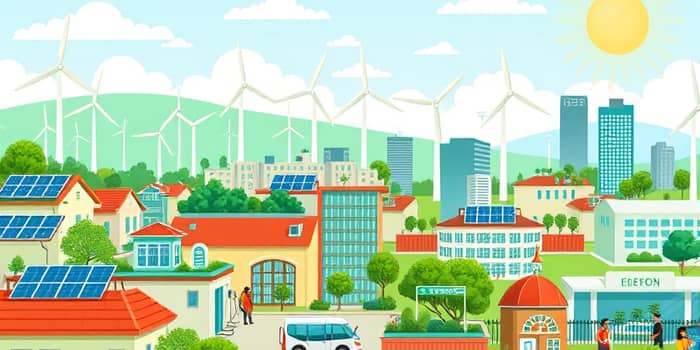
Climate change demands new financial solutions. Green loans empower businesses and individuals to invest in eco-friendly projects that benefit the planet and their bottom line. By channeling capital into transformative initiatives, these loans are reshaping the landscape of sustainable development.
Green loans are purpose-driven financing instruments ensuring accountability, designed exclusively to fund projects with a positive environmental impact. Unlike traditional loans, green loans mandate that proceeds are used only for eligible green initiatives.
Guided by the internationally recognized Green Loan Principles (GLP), these loans establish four pillars that govern their structure and oversight, creating a transparent and credible framework for environmental financing.
The Green Loan Principles, developed by the Loan Market Association, outline the standards for responsible green lending. They ensure that each loan follows a rigorous process from selection to reporting.
By adhering to these principles, borrowers and lenders build trust and demonstrate a shared commitment to environmental stewardship.
Green loans support a broad spectrum of sustainable projects. Funds can be allocated to initiatives that reduce emissions, conserve resources, and protect ecosystems.
Examples range from residential solar installations and smart thermostats to large-scale wind farms and conservation programs preserving endangered species.
Green loans offer attractive terms that reward sustainable investments and foster long-term value creation.
This financial synergy aligns economic and ecological objectives, making green loans an appealing choice on both sides of the transaction.
The global green finance market is expanding rapidly. Issuance of green bonds and loans is projected to reach new heights, with green loans expected to surpass US$255 billion by 2026.
While green bonds often cater to large corporations, green loans provide broader access, empowering small businesses, communities, and individuals to embark on sustainable projects. European policies and shifting investor demands continue to drive growth in green use-of-proceeds instruments worldwide.
Financial institutions are positioning themselves to support the transition to a low-carbon economy through targeted lending programs.
Beyond financial returns, green loans deliver multidimensional benefits aligned with the UN Sustainable Development Goals (SDGs). They directly contribute to:
By financing clean energy, sustainable agriculture, and resilient infrastructure, green loans help reduce greenhouse gas emissions, conserve water, and promote biodiversity. They also generate new employment opportunities in construction, engineering, and renewable energy sectors, stimulating local economies and fostering inclusive growth.
For businesses seeking to align their operations with environmental goals, green loans offer a structured approach. Begin by conducting a thorough assessment of potential projects’ environmental benefits, focusing on measurable metrics like energy savings and carbon footprint reductions.
Engage stakeholders early, from project engineers to sustainability officers, to ensure eligibility criteria are met. Establish clear internal processes to track and manage proceeds, and commit to transparent reporting on project outcomes. This proactive stance not only satisfies lender requirements but also strengthens your organization’s overall ESG profile.
Traditional loans provide general-purpose funding, often without incentives or accountability for environmental impact. In contrast, green loans offer:
exclusive green project funding streams that guarantee proceeds are dedicated to sustainable initiatives. Borrowers benefit from measurable sustainability performance metrics and structured reporting that validate their commitment to environmental stewardship.
Lenders, meanwhile, leverage green loans to diversify portfolios and meet internal ESG targets, riding the wave of growing investor appetite for sustainable assets.
As global challenges intensify, green loans stand as a beacon of innovation in the finance industry. They bridge the gap between environmental imperatives and capital markets, enabling projects that drive both ecological health and economic prosperity.
By choosing green loans, borrowers signal their commitment to a cleaner, greener future, while lenders participate in financing the transition to a resilient, low-carbon world. Together, they form a powerful alliance propelling sustainable development at the scale required to safeguard our planet for generations to come.
Take the first step today: explore green loan opportunities that align with your sustainability objectives and become part of the solution to climate change.
References