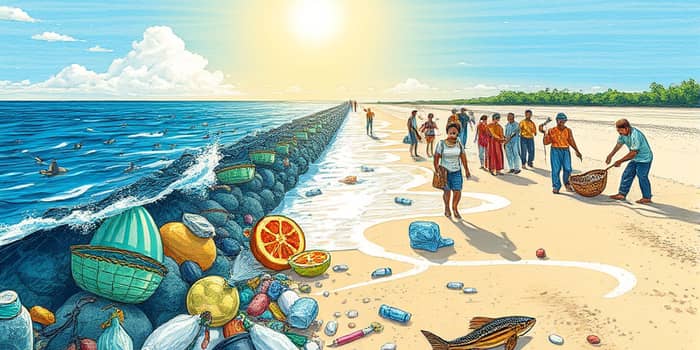
Since the mid-20th century, plastic has woven itself into nearly every aspect of modern life. From the packaging that holds our food to the fabrics we wear, this versatile material has revolutionized convenience and affordability. Yet millions of tonnes of plastic are produced annually, most of which become waste within months or even days. According to recent data, global plastic production reached 460 million tonnes in 2019 and is projected to nearly triple by 2060 without decisive policy changes. This is not just a statistic—it signals a mounting environmental crisis that demands both urgent attention and collective action.
Every time we pick up a plastic bottle or unwrap a sandwich in a single-use container, we add to a growing mountain of waste. Packaging alone accounts for about 40% of all plastic items produced today, and its presence in our daily routines is undeniable. On average, an individual in an OECD country uses around 238 kilograms of plastic each year—more than half a ton per household of four.
These numbers translate into tangible impacts. In the United States, for example, citizens generate roughly 42 million metric tons of plastic waste annually, equating to about 130 kilograms per person. Globally, waste generation is estimated at 350 to 400 million tonnes each year, having grown sevenfold in just four decades.
Plastic’s lifecycle begins deep in the earth, as fossil fuels are extracted and refined. Producing, transporting, and disposing of plastic emits significant greenhouse gases, with global activities accounting for roughly 850 million metric tons of CO2e in 2019—equivalent to the annual emissions of 189 coal-fired power plants.
Projections are sobering. If current trends continue, emissions from plastic could climb to 1.34 gigatons by 2030, pushing cumulative emissions to 56 gigatons by 2050. These figures represent a substantial share of the carbon budget needed to keep global warming under 1.5°C.
How we handle plastic once it’s discarded plays a critical role in determining its environmental fate. In 2019:
Mismanagement—including open dumps and uncontrolled burning—accounts for a higher share of waste than recycling. In some middle-income countries, poor infrastructure leads to dramatic leakage rates, fueling severe pollution in rivers and oceans.
Every year, between one and two million tonnes of plastic leak into marine environments. Earlier studies even estimated up to 14 million tonnes entering oceans annually, with over 170 trillion plastic particles currently afloat. Macroplastics—items larger than five millimeters—make up roughly 88% of this pollution, but microplastics (<5mm) from synthetic fibers, tire wear, and industrial pellets are emerging threats to ecosystems and human health.
Rivers serve as conveyor belts, funneling more than 300 million tonnes of plastic debris to seas by 2040 if unchecked. Without systemic intervention, annual inflows could reach 29 million tonnes in fewer than two decades, fundamentally changing the chemistry and biodiversity of our oceans.
Plastic’s footprint extends far beyond visible litter. From cradle to grave, its production contributes to air and water pollution, while plastic debris leaches harmful chemicals into wildlife habitats. Toxins such as bisphenol A (BPA) and phthalates accumulate in marine organisms and enter human food chains. Every mouthful of seafood may contain microplastic particles and associated pollutants.
On the climate front, plastic’s lifecycle emissions could consume 10 to 15% of the remaining carbon budget by mid-century. In the United States alone, plastic production and waste management release approximately 232 million metric tons of CO2e annually—underscoring the need to tackle plastic as both an environmental and a climate priority.
Pollution is not evenly distributed. A handful of countries account for most mismanaged plastic waste: India, Indonesia, Nigeria, China, and Pakistan lead in the volume of debris entering waterways. Seventy percent of all mismanaged plastic originates in just twenty nations, often due to inadequate infrastructure and rapid economic growth.
Looking ahead, global plastic waste could skyrocket to more than one billion tonnes by 2060, with environmental leakage doubling to 44 million tonnes each year. However, modeling by the OECD shows that coordinated regional action could reduce overall waste by 20% and cut leakage in half. A unified global strategy might eliminate most plastic pollution while costing less than 1% of world GDP—a small price for a healthier planet.
Governments, industries, and communities each have roles to play. Binding international agreements—such as proposed treaties on plastic pollution—can establish clear targets and foster collaboration across borders.
Individual choices may seem small, but when multiplied by millions of people, they drive market demand for sustainable alternatives. By rethinking convenience and valuing durability over disposability, each of us can help break the cycle of waste.
The story of plastic is still unfolding. We stand at a crossroads: continue down a path of unchecked pollution, or embrace innovative solutions that protect our ecosystems, curb greenhouse gas emissions, and safeguard public health. It is within our collective power to reshape the narrative—transforming plastic from an environmental burden into a symbol of global cooperation and resilience.
References