Exchange-traded funds (ETFs) have revolutionized modern investing. By blending transparency, liquidity, and diversification, they offer individuals and institutions an unprecedented toolkit to navigate global markets. In this article, you’ll learn how ETFs function, why they matter, and concrete steps to assemble a resilient, customized portfolio for 2026 and beyond.
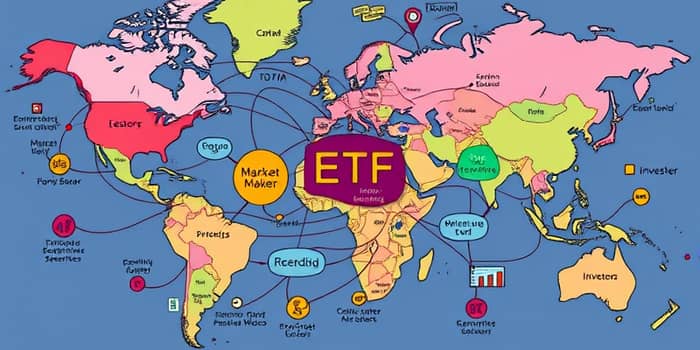
Behind every ETF lies a unique ETF ecosystem involving key players working in concert. ETF issuers design and register funds; authorised participants (APs) create or redeem shares in the primary and secondary market mechanisms. Market makers post bids and offers, ensuring investors can trade shares at prices aligned with the net asset value of underlying holdings.
Custodians safeguard the underlying securities, while index providers define the benchmarks. Data vendors supply pricing and market information. Securities lending agents generate incremental yield by lending holdings, and regulators such as the SEC oversee market integrity. This orchestration keeps ETF prices efficient, transparent, and accessible.
ETFs combine the best features of mutual funds and stocks. Their daily disclosure of holdings fosters daily holdings transparency and intra-day liquidity, empowering investors with real-time insights. Because they track indexes rather than aim to outperform, ETFs typically feature low expense ratios vs active funds, reducing long-term drag on returns.
Key benefits include:
Compared with traditional vehicles like actively managed mutual funds, ETFs deliver competitive performance without hidden fees or stale pricing. Index mutual funds match many ETF advantages, but they lack intra-day trading flexibility and some niche option variety.
Below is a concise overview of how ETFs measure against other pooled investments:
Diversification spreads risk across multiple dimensions: asset classes, sectors, market caps, styles, geographies, and maturities. A thoughtfully structured ETF portfolio can capture global growth while limiting vulnerability to single-asset swings.
Consider these three broad approaches, ranked by complexity:
Once you choose an approach, establish target allocations and set calendar reminders for rebalancing. This systematic risk management and rebalancing strategy helps maintain discipline and capture gains.
The ETF landscape is evolving rapidly. With global assets under management projected to exceed $20 trillion by 2026, innovation abounds. Active strategies, crypto ETFs, ESG products, and liquid alternative offerings open new doors for portfolio architects.
Leverage online ETF screeners and portfolio builders to refine your selections. Platforms like Schwab, Fidelity, and Vanguard offer customizable risk profiles—whether you’re targeting a conservative 50/50 stocks-bonds split or an aggressive 90/10 equity tilt. Assess each ETF’s expense ratio, tracking error, and liquidity before committing.
Monitor portfolio performance quarterly. Review sector and regional weightings against your long-term objectives. Adjust only when allocations drift beyond predetermined thresholds, avoiding emotional, market-timing moves.
The ETF ecosystem empowers investors with unparalleled transparency, cost efficiency, and strategic flexibility. By understanding the roles of issuers, APs, market makers, and custodians, you gain confidence in how ETFs maintain fair-value alignment. Whether you opt for a simple two-ETF core or a finely tuned assembly of niche strategies, disciplined diversification and periodic rebalancing will underpin your journey toward long-term financial goals. Embrace the possibilities of ETFs in 2026 and craft a portfolio built to weather market cycles and seize emerging opportunities.
References