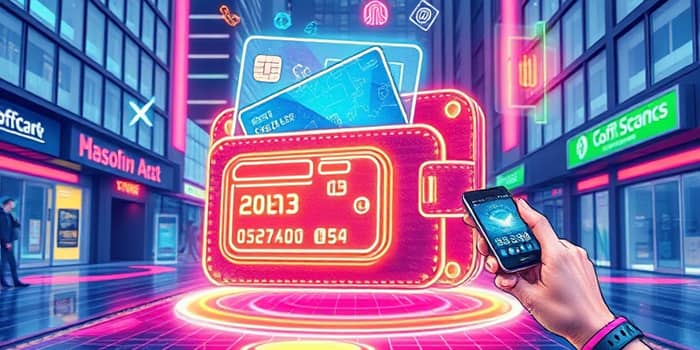
In an era where speed, security, and convenience define consumer and enterprise expectations, the humble plastic credit card is rapidly yielding to more agile and invisible forms of credit delivery. By 2026, half of global consumer transactions will rely on digital credentials rather than physical cards, ushering in a digital-first era of payments that transforms everyday purchases from a simple coffee run to complex B2B settlements.
This article explores the forces driving this monumental shift, the technologies enabling a seamless user experience across platforms, and practical steps for businesses and individuals to thrive in a world where credit is truly everywhere.
Traditional plastic cards have dominated non-cash payments for decades, but global non-cash transactions have surged more than tenfold in twenty years. By 2026, contactless and cardless solutions will account for 50% of consumer payments, powering micro-transactions as small as a $1 bus fare or a $2 coffee purchase via tap-to-pay on phones and wearables.
This trend reflects a broader shift away from cash and plastic towards invisible payment rails that simplify daily life. As consumers demand faster, safer methods, financial institutions and fintech innovators are racing to embed credit directly into the digital ecosystems we use every day.
These figures underscore the coexistence of legacy credit mechanisms and emerging digital credentials, paving the way for more integrated, frictionless experiences.
At the heart of this transformation lie several interconnected innovations. Near Field Communication (NFC) and QR scanning provide the foundation for instant tap-and-go experiences on phones, cards, and wearables. Biometric authentication—fingerprint, facial recognition, palm scans, and even voice—delivers unparalleled security while removing the need to carry anything physical.
Artificial intelligence and machine learning systems power real-time fraud detection, adaptive credit limits, and personalized rewards. Blockchain and tokenization secure transactions end-to-end, enabling 24/7 settlement and tamper-proof record-keeping. Meanwhile, embedded finance integrates credit capabilities directly into e-commerce platforms, gig-economy apps, and super-apps handling $36 trillion in annual volumes, eliminating app switching and introducing embedded finance ecosystems that drive engagement.
Looking ahead, credit will become an invisible layer woven into every digital interaction. E-wallets and real-time account-to-account networks will account for the lion’s share of consumer and B2B transactions, supported by real-time settlement networks and intelligent automation. Agentic AI bots will negotiate terms, reorder supplies, and even pay invoices autonomously on behalf of businesses.
Financial inclusion will expand as micro-loans and instant credit lines become available through social platforms, gig apps, and IoT devices. Cross-border transactions will accelerate under unified standards like ISO 20022, delivering 24/7 settlements across currencies. Hybrid B2B models—combining net terms for large invoices and virtual cards for urgent or low-value payments—will prevail, unlocking working capital and reducing days sales outstanding by up to 20 days.
Despite these hurdles, organizations that embrace digital credit solutions and invest in robust, scalable infrastructures stand to gain higher customer loyalty, improved cash flow, and deeper insights into spending behaviors.
Businesses should start by auditing existing payment rails and exploring partnerships with fintech providers offering virtual card issuance, tokenization services, and AI-powered credit scoring. Automating invoice processing and offering card-based payment options can reduce DSO by up to 25% while enhancing vendor relationships.
Consumers can streamline their finances by enrolling in mobile wallet programs, enabling biometric locks, and choosing credit products that integrate with subscription services and loyalty apps. Always look for cards or apps that provide real-time alerts, dynamic limit adjustments, and contextual rewards aligned with your spending patterns.
As we move beyond plastic, the prize goes to those who view credit not as a physical object, but as a flexible, invisible utility available on demand. By adopting these innovations today, you’ll be prepared to thrive in a future where credit flows effortlessly through every device and platform you use.
References