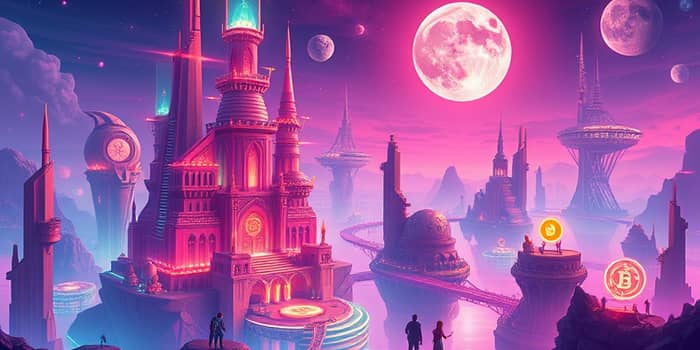
As we stand on the cusp of a digital revolution, the convergence of cryptocurrencies, NFTs, and virtual worlds is reshaping how we interact, trade, and create value. This emerging metaverse economy transcends physical limitations, enabling participants to buy, sell, and monetize digital assets in persistent virtual economies beyond borders.
At its core, the metaverse economy integrates decentralized blockchain protocols and immersive environments, allowing users to engage in commerce with blockchain-based ownership verification. Gone are the days when digital goods were mere images on a screen; today, virtual land, avatars, and collectibles have real-world worth.
Through interoperable standards and open platforms, participants can move assets seamlessly between worlds. Whether a digital real estate developer hosting events in one environment or a fashion designer selling wearable NFTs in another, the metaverse fosters seamless interoperability across platforms.
The backbone of this new economy lies in diverse virtual asset classes, each offering unique opportunities for creativity and investment. As the market matures, these categories will become as familiar to investors as stocks and bonds.
By 2030, virtual real estate sales could rival traditional property markets, while high-end wearable NFTs may command prices comparable to luxury fashion items. These trends highlight the transformative potential of digital ownership.
Metaverse platforms are evolving beyond simple marketplaces. They now function as two-sided ecosystems where users and developers interact in novel ways. Hybrid marketplaces combine user-friendly interfaces with decentralized custody, ensuring both convenience and security.
Developers and creators are exploring fresh revenue streams through:
These approaches foster a vibrant creator economy, where artists, architects, and developers build sustainable businesses without intermediaries.
The ripple effects of the metaverse economy extend far beyond gaming. Entire sectors are being reshaped by digital twin technologies, immersive experiences, and new ownership paradigms.
By unlocking new modes of engagement, these industries demonstrate the far-reaching impacts of immersive technology.
Behind the scenes, robust infrastructure is key. Scalable blockchains deliver faster, cheaper transactions, while 5G and upcoming 6G networks ensure low-latency, multi-user synchronization. Cutting-edge VR and AR hardware provide the sensory immersion necessary for meaningful interactions.
On the regulatory front, global frameworks are emerging to address taxation, intellectual property rights, and consumer protection. By 2030, standardized digital services taxes and IP enforcement mechanisms will bolster trust, paving the way for mass adoption.
Market forecasts predict the metaverse economy will grow from around $90 billion in 2023 to over $1.3 trillion by 2032, driven by a CAGR of 46.4%. Early investors are seeking exposure through:
Brands are experimenting with exclusive digital product lines and hybrid physical-digital sales, while individual creators leverage royalty-driven marketplaces to monetize their work directly.
Nevertheless, challenges remain. Infrastructure build-out, regulatory clarity, and mainstream user adoption will define the pace of progress. Yet, the seamless blend of virtual and physical economies promises unprecedented opportunities for innovation, creativity, and financial inclusion.
As the lines between real and virtual continue to blur, the metaverse economy stands as a testament to human ingenuity. By embracing decentralized ownership, interoperable ecosystems, and immersive experiences, we can unlock new horizons of possibility. The question is not if we will participate, but how we will help shape this dynamic, ever-evolving landscape.
References