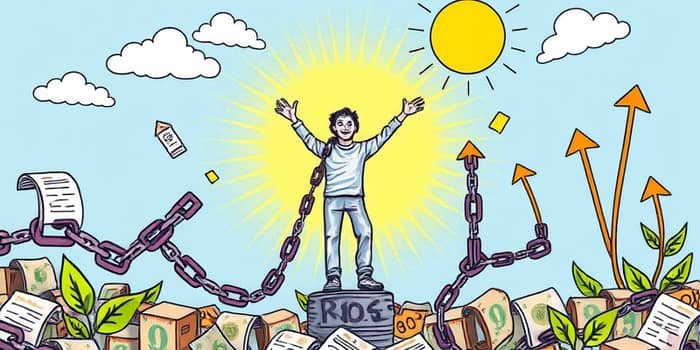
Student and consumer loans have become a defining part of adulthood, but their toll extends far beyond finances. As borrowers juggle monthly payments and mounting balances, the weight of unpaid debt often gives rise to chronic anxiety and depression, affecting millions of lives. Understanding the deep psychological scars created by loan obligations is the first step toward reclaiming both mental health and financial freedom.
Across the U.S., an estimated 65% of borrowers report stress directly linked to student loans. As debt rises above $100,000, those rates climb to over 70%. Many describe sleepless nights, persistent worry, and consuming guilt. Alarmingly, about 1 in 14 borrowers have experienced suicidal ideation due to financial strain, a figure that doubles among low-income or unemployed individuals.
These early signs—constant rumination about payments, dread when bills arrive, and physical symptoms like headaches or nausea—should not be dismissed. Recognizing these patterns can help borrowers seek support before stress becomes overwhelming.
Debt functions as more than a financial obligation; it acts as a potent source of noxious, chronic stress. Psychologists explain that persistent worry depletes cognitive resources, making concentration and decision-making difficult. Over time, this can erode resilience and amplify feelings of hopelessness. Research shows that borrowers with high debt report 21% more depressive symptoms than those with low or no debt, even when income and education are equal.
Shame and guilt are common companions, especially when borrowers perceive themselves as failing societal expectations. These emotions can lead to social withdrawal, worsening loneliness and further amplifying distress.
Not all borrowers bear the same burdens. Systemic inequalities mean that Black students and graduates often carry heavier loads and face greater mental health repercussions. For many first-generation college attendees, financial support networks are limited or nonexistent, intensifying stress.
Personal accounts bring these statistics to life. Yvonne, burdened by $58,000 in student loans and in default, recalls: "I felt like I wasn’t providing for my family fully." Graduate student Karen describes cold sweats at the thought of opening her mail, while Nina faced suicidal thoughts after a lender refused relief during unemployment.
Although the picture can seem bleak, a growing body of evidence demonstrates that debt relief brings renewed hope. Studies show that even partial forgiveness can reduce anxiety by up to 11% and boost optimism by 10%. Beyond policy change, there are immediate steps borrowers can take to ease the psychological pressure.
Implementing these strategies can cultivate a sense of agency and break the isolation that often accompanies debt struggles.
Rebuilding your mental health while managing debt requires a balanced, actionable plan. Start by establishing small, achievable goals—whether that’s paying off one month’s interest or setting aside five minutes daily for mindfulness.
By integrating these habits, borrowers can gradually reduce the emotional burden of debt and foster resilience.
While individual strategies are essential, systemic solutions are equally critical. Advocating for expanded loan forgiveness, more affordable repayment plans, and universal financial education can address root causes. Communities can lobby schools, legislators, and financial institutions to prioritize borrower well-being.
As Jason Houle, a Dartmouth sociologist, reminds us, "debt forgiveness improves mental health" on a large scale. When we combine personal coping skills with collective policy reform, we light the path forward for millions trapped under the weight of loan obligations.
Loan debt need not define your future or your mental health. By acknowledging the psychological toll, embracing practical relief strategies, and pushing for systemic changes, borrowers can break free from the cycle of stress and despair. Every step toward clarity, support, and policy reform is a step toward lasting financial and emotional resilience. It’s time to transform debt from an overwhelming crisis into an opportunity for growth and empowerment.
References